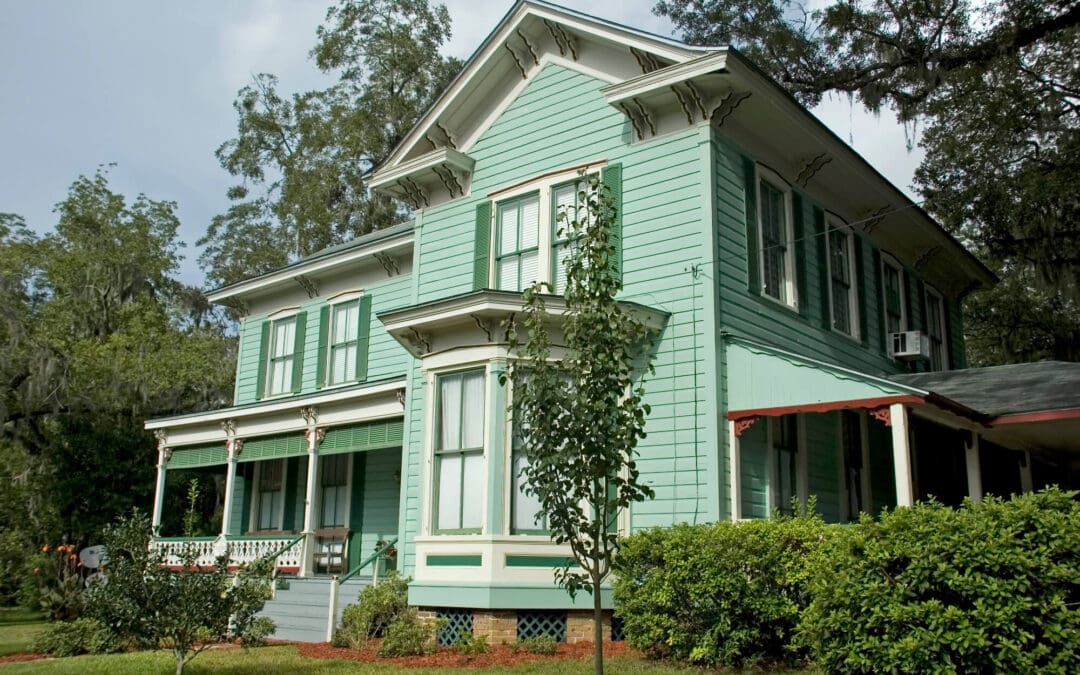
Older homes often come with charm, character, and unique architectural details, but they may also carry hidden challenges. Understanding common concerns in older homes is essential for both prospective buyers and current homeowners. From outdated systems to structural issues, being aware of potential problems will help protect your investment and ensure a safe, comfortable living environment.
Why Older Homes Require Extra Attention
Older homes have a history, and while that history adds appeal, it could also bring complications. Homes built decades ago may not meet today’s building codes, energy efficiency standards, or safety expectations. Identifying concerns in older homes early allows buyers and homeowners to make informed decisions and plan for maintenance, repairs, or upgrades.
Understanding Structural Concerns in Older Homes
One of the most significant areas to watch in older homes is the structure. Over time, foundations can settle, resulting in cracks in walls, uneven floors, or doors and windows that become stuck. Roofs, framing, and exterior siding may also show signs of wear after decades of exposure to the elements. A professional inspection is crucial for assessing the integrity of the structure and identifying potential long-term problems.
Electrical and Plumbing Systems
Electrical and plumbing systems in older homes often need updates to meet modern standards. Wiring may be outdated or insufficient for today’s energy demands, increasing the risk of overloads or fire hazards. Similarly, plumbing systems could have corroded pipes, outdated materials like galvanized steel, or inefficient fixtures. Addressing these issues not only improves safety but also prevents costly emergency repairs.
Heating, Cooling, and Energy Efficiency
Older homes often have less efficient heating and cooling systems, resulting in higher utility bills and uneven comfort levels. Insulation may be lacking, windows may be drafty, and older appliances will consume more energy. Recognizing these concerns in older homes allows owners to plan for upgrades such as improved insulation, modern HVAC systems, and energy-efficient windows, ultimately saving money over time.
Health and Safety Concerns in Older Homes
Health and safety are key considerations in older properties. Asbestos, lead paint, and outdated building materials could pose hazards if disturbed during renovations. Mold and moisture issues are also common, especially in basements, attics, and bathrooms. Regular inspections and proper remediation help maintain a safe living environment for all occupants.
Maintenance and Wear
Even without significant defects, older homes often require more routine maintenance than newer construction. Siding, roofing, plumbing, and electrical components may need attention simply due to age. Understanding these ongoing responsibilities helps homeowners budget appropriately and avoid deferred maintenance that could become more expensive over time.
Renovation Concerns in Older Homes
Updating older homes to match modern tastes and functional needs could present challenges. Kitchens, bathrooms, and layouts may not suit contemporary lifestyles. Structural limitations or outdated materials could make renovations more complicated and costly. Planning carefully and consulting with professionals ensures that updates are safe, efficient, and compatible with the home’s existing structure.
Inspections and Professional Guidance
A key step in addressing concerns in older homes is working with qualified professionals. Home inspections provide a detailed assessment of potential issues, from roofing and siding to electrical, plumbing, and HVAC systems. Professional advice enables homeowners and buyers to prioritize necessary repairs, negotiate costs effectively, and make informed decisions about the property.
Being aware of common concerns in older homes empowers buyers and homeowners to make informed decisions, prioritize necessary maintenance, and appreciate the unique charm and history that these properties offer. With careful inspection, planning, and professional support, older homes can remain safe, comfortable, and a lasting investment for years to come.
Frequently Asked Questions (FAQs)
What are the most common concerns in older homes?
Common issues include foundation settling, outdated electrical or plumbing systems, inefficient heating and cooling, moisture problems, and potential health hazards such as asbestos or lead paint.
How can I assess the condition of an older home?
Hiring a licensed home inspector is the best way to assess the structural integrity, systems, and safety concerns of a property. Professional inspections provide a comprehensive understanding of the home’s condition.
Are concerns in older homes always expensive to fix?
Not necessarily. Some issues may require minor repairs or upgrades, while others could involve a more significant investment. Early detection and professional guidance help homeowners plan and budget effectively.
Can older homes be made energy-efficient?
Yes. Upgrades such as insulation, modern windows, energy-efficient appliances, and updated HVAC systems will enhance energy efficiency and comfort.
Should I avoid buying an older home because of these concerns?
Not at all. Many older homes are solidly built and full of character. Understanding and addressing concerns proactively guarantees that the house remains safe, comfortable, and valuable over time.
Advanced Termite and Home Inspections offers home inspection services in Eastern NC. Contact us to request an appointment.
Recent Comments