
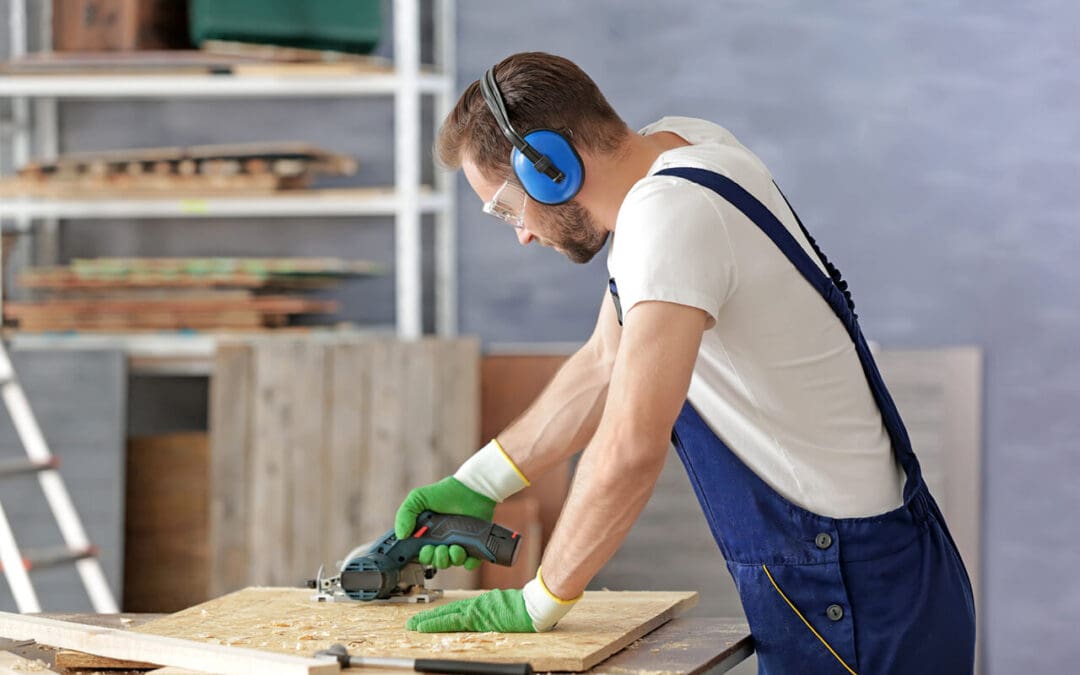
There is a unique sense of pride that comes with finishing a home improvement project with your own two hands. Whether it is installing a new backsplash or building a custom bookshelf, the DIY movement has empowered millions of homeowners to take control of their living spaces. However, the line between a successful renovation and a costly disaster is often thinner than most realize. Understanding the most frequent DIY mistakes is the first step toward ensuring your project adds value to your home rather than subtracting from your bank account. Many homeowners dive into a task with plenty of enthusiasm but little logistical preparation, leading to errors that require professional intervention to fix. By recognizing these pitfalls early, you will approach your next weekend project with the foresight to get the job done right the first time.
Underestimating the Scope of DIY Mistakes
One of the most frequent hurdles homeowners face is a fundamental misunderstanding of how much time and effort a project actually requires. We often see a 30-minute television segment or a 60-second social media clip and assume that a bathroom remodel or deck staining could be knocked out in an afternoon. This skewed perception is a primary driver of common DIY mistakes, leading to rushed work and skipped steps. When you don’t allocate enough time for a project, you are more likely to ignore manufacturer instructions or fail to let materials like paint or adhesive dry properly. To combat this, always double your initial time estimate.
Using the Wrong Tools for the Job
In the world of home improvement, having the right tool is a necessity for safety and precision. Many DIY mistakes occur when a homeowner tries to make do with whatever is currently in their drawer rather than using the specific tool required for the task. Using a flathead screwdriver as a chisel or a standard hammer for delicate trim work could result in damaged materials and potential injury. Before you begin, research the specifics required for your project. If an expensive power tool is needed for a one-time job, remember that many local hardware stores offer daily rentals. Investing the time to acquire the correct equipment will save you the frustration of stripped screws, uneven cuts, or ruined finishes.
Neglecting Proper Surface Preparation
If you ask any professional contractor for their best advice, they will almost certainly tell you that the finish is only as good as the preparation. Unfortunately, skipping the prep work is one of those DIY mistakes that shows up immediately in the final result. Whether you are painting a room, laying tile, or installing flooring, the surface must be clean, level, and dry. Painting over dust or grease will lead to peeling, while laying tile on an uneven subfloor will inevitably result in cracked grout lines. It is tempting to skip the sanding, cleaning, and priming phases to see visible progress, but these foundational steps determine the longevity of your work.
Codes and Permits DIY Mistakes
Perhaps the most serious category of DIY mistakes involves failing to account for local regulations and safety codes. While you might feel confident in your ability to wire a new light fixture or move a plumbing line, doing so without the proper permits could create massive headaches when it comes time to sell your home. Building codes exist for the safety of the occupants, and unpermitted work may lead to insurance denials or hefty fines. Before you start any project that involves electrical, plumbing, or structural changes, check with your local building department. They will provide guidance on what is allowed and what requires a professional license.
Frequently Asked Questions (FAQs)
What should I do if I realize I have made a mistake halfway through a project?
The best thing you can do is stop immediately. Take a moment to assess the situation and determine if you can undo the last few steps. If the error involves structural integrity, electrical wiring, or plumbing, it’s time to call a professional for a consultation.
How can I tell if a project is too advanced for my current skill level?
Be honest with yourself about your comfort level with the tools and techniques required. A good rule of thumb is to start small. Look for projects that are “non-invasive,” meaning they don’t involve the inner workings of your walls.
Does doing it myself always save me money in the long run?
While you save on labor costs up front, the cost of materials and tools can add up quickly. Furthermore, if you make a significant error that requires a professional to fix, you will likely end up paying more than if you had hired them from the beginning.
What are the most common safety items I should have for DIY projects?
At a minimum, you should have high-quality safety goggles, ear protection for loud machinery, and a variety of gloves for different tasks. If you are working with old paint, insulation, or sanding wood, a respirator or high-grade dust mask is essential to protect your lungs. Additionally, always keep a first-aid kit nearby.
Advanced Termite and Home Inspections offers home inspection services in Eastern NC. Contact us to request an appointment.
Recent Comments